Exploring the world of siding repair opens up a realm of possibilities for homeowners looking to maintain and enhance the beauty and value of their homes. From understanding the importance of timely repairs to delving into common types of damage and DIY tips, this guide covers it all.
Let’s embark on this journey together and discover the secrets to a well-maintained home exterior.
Importance of Siding Repair
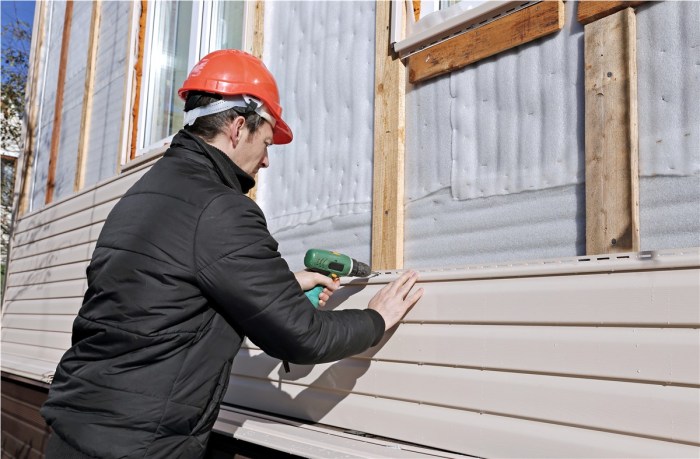
Keeping your siding well-repaired is crucial for maintaining the overall integrity and appearance of your home.
Neglecting siding repair can lead to a host of issues, including water damage, mold growth, pest infestations, and energy inefficiency. These problems can be costly to fix and may compromise the structural stability of your home over time.
Enhancing Aesthetics and Value
Repairing your siding can significantly improve the curb appeal of your home, making it more attractive to potential buyers and increasing its resale value. A well-maintained exterior can also make a positive impression on visitors and passersby, enhancing the overall look and feel of your property.
Common Types of Siding Damage
When it comes to siding damage, there are various types that may require repair due to different causes. Weather conditions play a significant role in causing damage to siding, and it’s important to be aware of the signs indicating that repair is needed.
Impact of Weather Conditions on Siding
- Heavy rain and moisture can lead to water damage, causing warping, rotting, or mold growth on the siding.
- Extreme heat can cause the siding material to expand, leading to cracks and gaps.
- Freezing temperatures and ice can result in the siding material becoming brittle and prone to cracking.
Signs that Indicate Siding Repair is Needed
- Visible cracks, holes, or gaps in the siding.
- Peeling or bubbling paint on the siding surface.
- Warped or buckling siding panels.
- Mold or mildew growth on the siding.
- An increase in energy bills due to poor insulation caused by damaged siding.
DIY Siding Repair Tips
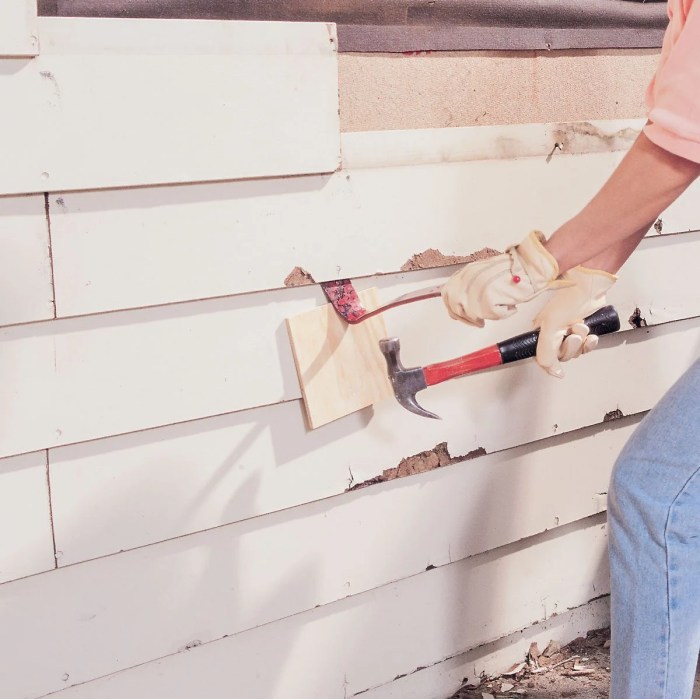
When it comes to DIY siding repair, homeowners can save time and money by tackling small-scale repairs themselves. However, it’s important to follow proper steps and safety measures to ensure the job is done correctly.
Assessing Siding Damage
Before starting any repair work, it’s crucial to assess the extent of the siding damage. Look for signs of cracks, holes, warping, or mold growth on the siding. Additionally, check for any loose or missing pieces that need to be addressed.
Techniques for Small-Scale Repairs
For minor siding damage, homeowners can use the following techniques for DIY repair:
- Fill small cracks or holes with exterior caulk to prevent water infiltration.
- Use a patch kit to repair minor dents or scratches on the siding.
- Replace individual damaged siding panels with new ones for a seamless look.
Safety Measures for DIY Siding Repair
When attempting DIY siding repair, it’s important to prioritize safety. Consider the following safety measures:
- Wear protective gear such as gloves, safety goggles, and a dust mask to prevent injuries.
- Use a sturdy ladder and ensure proper footing when working at heights to avoid falls.
- Avoid working alone, especially when using power tools or working on elevated areas.
Professional Siding Repair Services
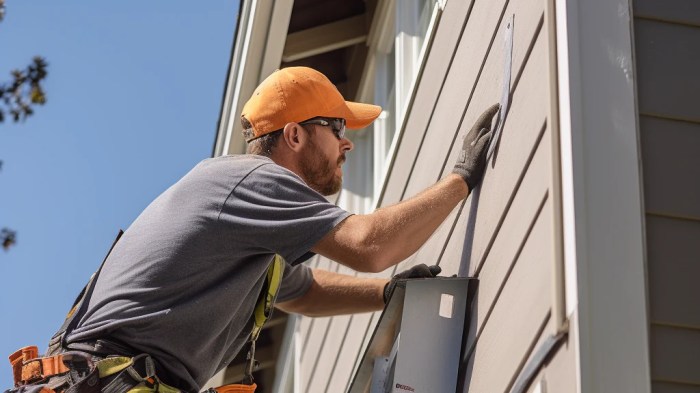
When it comes to siding repair, hiring professionals can offer several benefits over attempting a DIY repair. Professionals have the expertise, tools, and experience to ensure the job is done correctly and efficiently. Here, we will discuss the advantages of hiring professionals, factors to consider when selecting a siding repair service provider, and the typical process involved in professional siding repair.
Benefits of Hiring Professionals vs. DIY Repairs
- Professional expertise and experience ensure quality workmanship.
- Professionals have access to specialized tools and materials for the job.
- Time-saving as professionals can complete the repair quickly and effectively.
- Professional repairs are more likely to have warranties for added peace of mind.
Factors to Consider When Selecting a Siding Repair Service Provider
- Evaluate the reputation and experience of the company.
- Check for proper licensing and insurance to protect yourself and your property.
- Ask for references and examples of past work to gauge the quality of their services.
- Get multiple quotes to compare pricing and services offered.
Typical Process Involved in Professional Siding Repair
- Initial assessment and inspection of the siding damage.
- Recommendations on repair options and materials needed.
- Schedule a convenient time for the repair work to be conducted.
- Execution of the repair work following industry standards and best practices.
- Final inspection and walkthrough to ensure customer satisfaction.
Last Recap
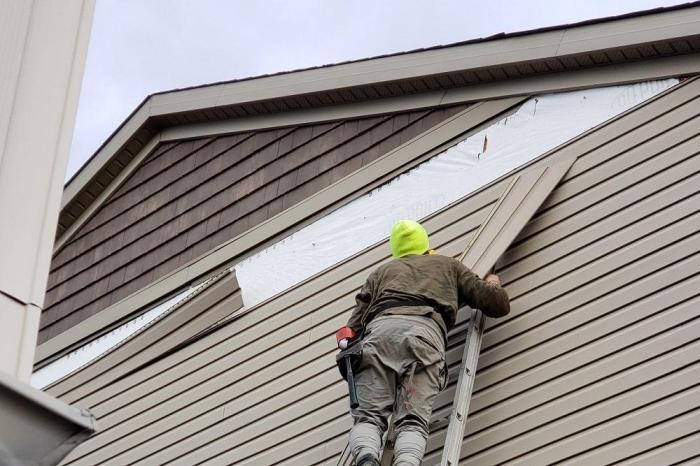
As we conclude our exploration of siding repair, it’s evident that a well-maintained exterior not only enhances the aesthetics of your home but also safeguards its structural integrity. By staying informed and proactive about siding repair, you can ensure your home remains a place of beauty and comfort for years to come.
Questions Often Asked
What are the consequences of neglecting siding repair?
Neglecting siding repair can lead to water damage, mold growth, decreased energy efficiency, and a decline in the home’s overall value.
How can weather conditions impact siding and cause damage?
Extreme temperatures, moisture, UV exposure, and strong winds can all contribute to the deterioration of siding materials over time.
What safety measures should homeowners consider for DIY siding repair?
Homeowners should wear protective gear, use proper tools, work on stable surfaces, and avoid working at heights without proper safety precautions.