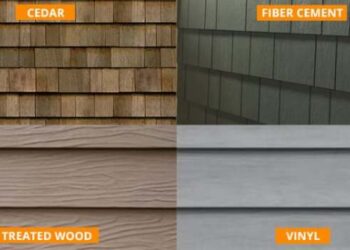
Embark on a journey through the world of siding options, where we unravel the intricacies of different materials, installation methods, design trends, and environmental impacts. This guide promises to equip you with valuable insights to make informed decisions for your residential building.
From the durability of vinyl siding to the design trends shaping modern homes, this overview covers everything you need to know about siding options.
Types of Siding Materials
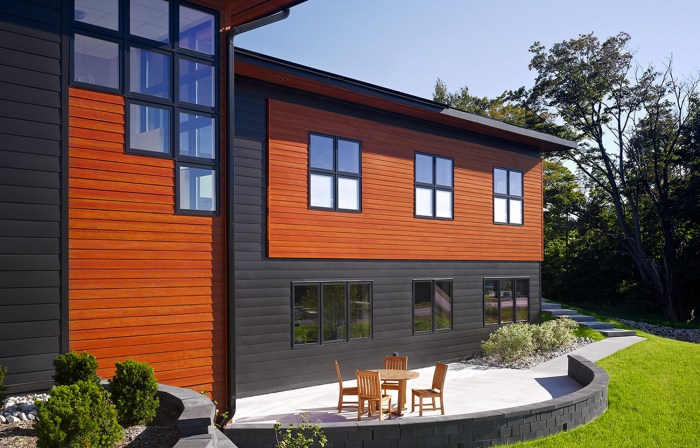
Choosing the right siding material for your home is crucial as it not only affects the aesthetic appeal but also the durability and maintenance requirements. Let’s explore some common siding options used in residential buildings.
Vinyl Siding
Vinyl siding is a popular choice due to its affordability, ease of installation, and low maintenance requirements. It is durable, resistant to rot and insects, and comes in a variety of colors and styles.
Fiber Cement Siding
Fiber cement siding is known for its durability and resistance to fire, insects, and rot. It requires minimal maintenance and can mimic the look of wood or stucco. However, it is more expensive than vinyl siding.
Wood Siding
| Pros | Cons |
|---|---|
| Natural beauty | Prone to rot and insects |
| Eco-friendly | Requires regular maintenance |
Brick Siding
| Pros | Cons |
|---|---|
| Durable and low maintenance | Expensive upfront cost |
| Fire-resistant | Difficult to repair |
Stucco Siding
| Pros | Cons |
|---|---|
| Durable and fire-resistant | Prone to cracking |
| Low maintenance | Requires frequent repainting |
Siding Installation Methods
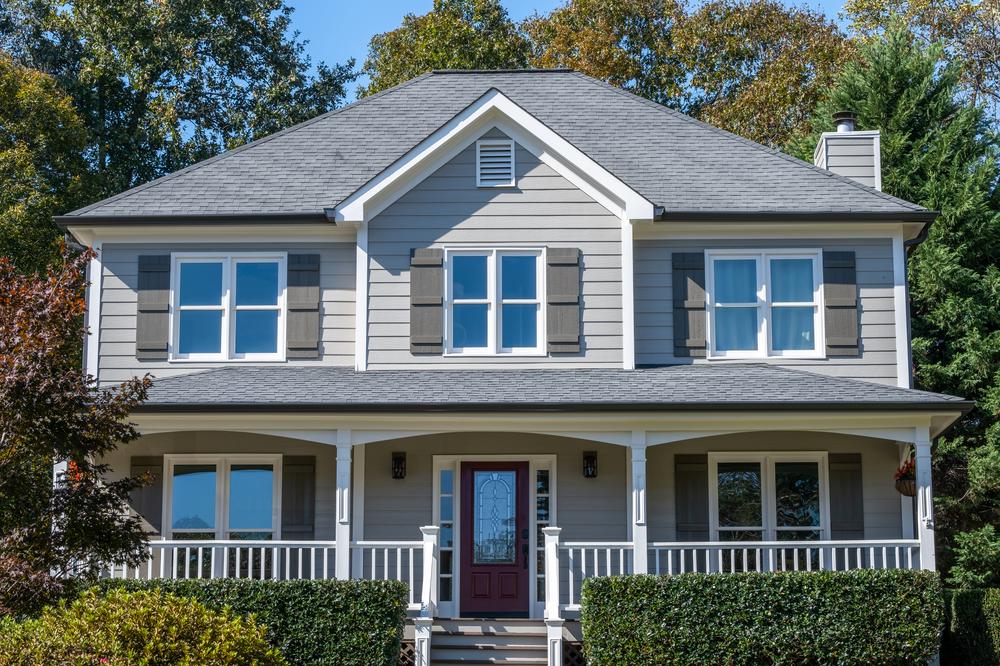
Installing siding on a house exterior is a crucial step in enhancing the appearance and protection of a home. Different siding materials require specific installation methods to ensure durability and efficiency. Let’s explore the various installation techniques for popular siding options.
Installing Vinyl Siding
When installing vinyl siding, the process typically involves the following steps:
- Clean the exterior surface of the house to ensure a smooth and even application.
- Measure and cut the vinyl panels to fit the dimensions of the walls.
- Begin at the bottom of the wall and work your way up, overlapping the panels to create a seamless finish.
- Secure the panels in place using nails or clips, making sure to leave room for expansion and contraction.
- Finish the installation by adding trim pieces around windows, doors, and corners for a polished look.
Replacing Old Siding with Fiber Cement Siding
When replacing old siding with new fiber cement siding, the process involves the following steps:
- Remove the existing siding carefully to avoid damaging the underlying structure.
- Inspect the sheathing and repair any damage or rot before installing the new fiber cement siding.
- Measure and cut the fiber cement panels to fit the walls, ensuring a proper overlap for weatherproofing.
- Install the panels using nails or screws, following the manufacturer’s guidelines for spacing and fasteners.
- Apply caulking and paint as needed to seal and protect the siding from the elements.
Importance of Proper Insulation for Metal Siding
Proper insulation is crucial when installing metal siding to enhance energy efficiency and structural integrity. Without adequate insulation, metal siding can conduct heat and cold, leading to increased energy costs and potential damage to the building.
Ensure to add a layer of insulation between the metal siding and the wall to prevent thermal bridging and improve the overall insulation value of the structure.
DIY Installation of Composite Siding Panels
If you’re considering a DIY installation of composite siding panels, here are some tips to keep in mind:
- Follow the manufacturer’s instructions carefully to ensure proper installation and warranty coverage.
- Use the right tools and equipment, such as a saw, level, and fasteners, to achieve a professional finish.
- Take your time and work methodically, starting from one end of the wall and progressing systematically to ensure a consistent look.
- Seek assistance if needed, especially when working on elevated areas or complex architectural features.
Siding Design Trends
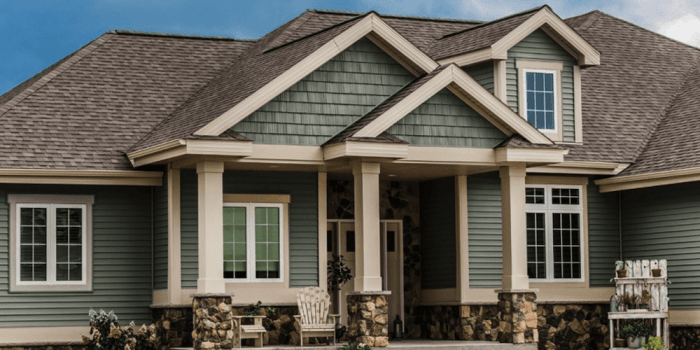
When it comes to modern design trends for residential siding options, homeowners are increasingly embracing a mix of different materials to create a unique and visually appealing exterior. By combining materials such as wood, vinyl, fiber cement, and metal, homeowners can add depth and texture to their homes, enhancing curb appeal.
Mixing Different Siding Materials
Combining different siding materials can transform a home’s facade and give it a distinct character. For example, pairing wood siding with stone accents can create a rustic yet elegant look, while mixing metal panels with fiber cement siding can result in a sleek and contemporary design.
Vertical Siding as a Popular Choice
Vertical siding has become a popular design choice in recent years, offering a modern and visually interesting alternative to traditional horizontal siding. This orientation can help draw the eye upward, creating the illusion of height and making a home stand out in the neighborhood.
Impact of Color Selection
Color selection plays a crucial role in the overall aesthetics of a home’s exterior. Bold and contrasting colors can make a statement, while neutral tones can create a timeless and elegant look. It’s important to consider the architectural style of the home and the surrounding landscape when choosing siding colors to ensure a harmonious blend with the environment.
Environmental Impact of Siding
Choosing eco-friendly siding options can significantly reduce the environmental impact of your home. These sustainable options are not only better for the planet but also offer energy efficiency benefits and contribute to green building practices.
Eco-Friendly Siding Options and Sustainable Features
- Wood Siding: Sustainably sourced wood siding, such as cedar or redwood, is a renewable resource and biodegradable.
- Fiber Cement Siding: Made from a mix of cement, sand, and cellulose fibers, fiber cement siding is durable, low maintenance, and resistant to fire and pests.
- Recycled Vinyl Siding: Vinyl siding made from recycled materials helps reduce waste and energy consumption during production.
Energy Efficiency Benefits of Insulated Siding
Insulated siding can improve the energy efficiency of your home by reducing heat loss in the winter and heat gain in the summer. This can lead to lower energy bills and a reduced carbon footprint.
Recyclability of Different Siding Materials
- Metal Siding: Aluminum and steel siding are highly recyclable and can be repurposed into new products at the end of their lifespan.
- Fiber Cement Siding: Fiber cement siding can be recycled and used as a raw material in the production of new siding or other construction materials.
Contribution to Green Building Practices
Choosing sustainable siding materials and installation methods can help your home qualify for green building certifications like LEED or Energy Star. This not only benefits the environment but also increases the value of your property in the long run.
Conclusive Thoughts
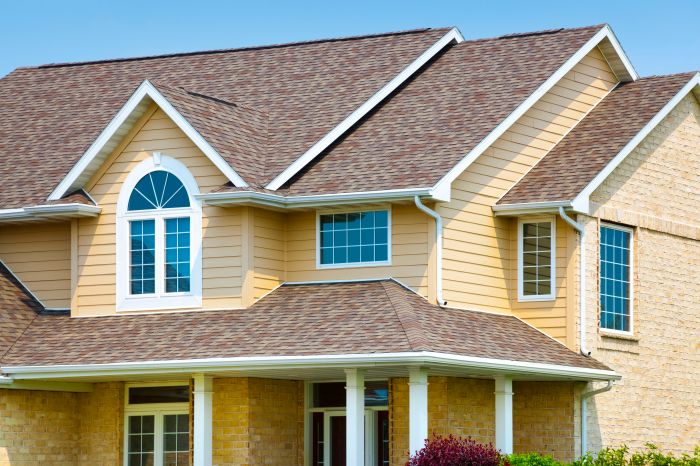
In conclusion, siding options play a crucial role in not just the aesthetics but also the functionality of a building. By understanding the pros and cons of various materials and staying updated on design trends, you can elevate the look and performance of your home.
Quick FAQs
What are the most common siding materials used in residential buildings?
The most common siding materials include vinyl, fiber cement, wood, brick, and stucco.
How does proper insulation impact the installation of metal siding?
Proper insulation helps prevent condensation and improves the energy efficiency of metal siding.
What are some modern design trends for residential siding?
Modern design trends include mixing different materials for a unique look and the use of vertical siding for a contemporary feel.
Are there eco-friendly siding options available?
Yes, there are eco-friendly options such as recycled vinyl and fiber cement siding with sustainable features.