Step into the world of interior design where creativity meets functionality. From balancing elements to exploring different styles, this field offers a vast canvas for transforming spaces. Let’s delve into the fascinating realm of interior design and uncover its secrets.
As we unravel the key components and processes involved, you’ll gain a deeper understanding of how interior designers work their magic to craft beautiful and harmonious environments.
Introduction to Interior Design
Interior design is the art and science of enhancing the interior of a space to create a more functional and aesthetically pleasing environment. It involves the use of various design elements and principles to transform spaces while considering the needs and preferences of the clients.
Principles of Interior Design
- Balance: Achieving visual equilibrium in a space by distributing visual weight evenly.
- Harmony: Ensuring all elements in a space work together cohesively.
- Rhythm: Creating a sense of movement and flow throughout the space.
- Emphasis: Highlighting certain elements to draw attention and create focal points.
- Proportion: Ensuring the size and scale of elements are in harmony with each other.
Role of Interior Designers
Interior designers play a crucial role in transforming spaces by understanding the needs and preferences of their clients. They work closely with clients to create designs that are not only aesthetically pleasing but also functional and practical. Interior designers use their expertise in design principles and elements to create spaces that reflect the personality and lifestyle of the clients.
Elements of Interior Design
Interior design is a multifaceted discipline that involves the careful consideration of various elements to create a harmonious and functional space. Key elements such as color, texture, pattern, and lighting play a crucial role in shaping the overall design scheme.
Color
Color is one of the most powerful tools in interior design. It has the ability to evoke emotions, create visual interest, and define the mood of a space. Different color schemes can impact the perception of size and shape within a room, making it essential to choose colors carefully to achieve the desired effect.
Texture
Texture adds depth and tactile appeal to a space. By incorporating a variety of textures such as smooth, rough, shiny, or matte, you can create visual interest and contrast within a room. Textures can also influence the overall feel of a space, making it cozy, inviting, or sleek.
Pattern
Patterns can add personality and visual intrigue to a room. Whether through wallpaper, upholstery, or accessories, patterns can help tie a design scheme together or create a focal point. It is important to balance the scale and placement of patterns to avoid overwhelming the space.
Lighting
Lighting is a critical element in interior design as it affects the ambiance, functionality, and aesthetics of a space. Proper lighting can highlight architectural features, create different moods, and enhance the overall design. A well-lit space is essential for showcasing the design elements and creating a welcoming atmosphere.
Furniture, Accessories, and Artwork
Furniture, accessories, and artwork are essential components that contribute to the overall design scheme. They not only provide functionality but also add personality and style to a space. Choosing the right pieces and arranging them thoughtfully can elevate the design and create a cohesive look.
Space Planning and Furniture Arrangement
Space planning and furniture arrangement are crucial aspects of interior design that involve optimizing the layout and flow of a space. Proper space planning ensures that the room functions efficiently and meets the needs of its users. Furniture arrangement plays a key role in creating a balanced and harmonious environment while considering factors such as traffic flow and focal points.
Styles in Interior Design
When it comes to interior design, there are various styles that can be incorporated to create a unique and personalized space. Some of the popular interior design styles include modern, minimalist, industrial, traditional, and eclectic. Each style has its own characteristics that can significantly impact the overall look and feel of a room.
Modern Style
The modern style is characterized by clean lines, simplicity, and a focus on function. Neutral color palettes, sleek furniture, and minimalistic decor are common elements of modern design. Materials such as glass, metal, and concrete are often used to create a contemporary and sophisticated look.
Minimalist Style
Minimalist design focuses on simplicity and functionality, with an emphasis on decluttering and reducing unnecessary items. A minimalist space typically features a neutral color scheme, simple furniture pieces, and a lack of decorative elements. The goal is to create a clean and serene environment with a sense of calm.
Industrial Style
The industrial style draws inspiration from warehouses and factories, featuring raw and unfinished materials such as exposed brick, metal, and reclaimed wood. A neutral color palette with accents of black, grey, and brown is common in industrial design. Furniture with a utilitarian look and vintage pieces are often incorporated to achieve an urban and edgy aesthetic.
Traditional Style
Traditional design is classic and timeless, often characterized by rich colors, intricate patterns, and ornate furniture. Warm and inviting, traditional interiors typically feature dark woods, luxurious fabrics, and decorative details. This style exudes elegance and sophistication, with a focus on comfort and familiarity.
Eclectic Style
Eclectic design is a mix of different styles, textures, and eras, creating a unique and personalized space. This style allows for creative freedom and self-expression, combining elements from various design aesthetics. Bold colors, patterns, and unconventional furniture pieces are often used to achieve an eclectic look that is visually stimulating and full of personality.
Interior Design Process
When it comes to interior design, there is a structured process that designers follow to bring a project from concept to completion. This process involves various steps that ensure the final design meets the client’s needs and vision.Designers typically start with an initial consultation where they gather information about the client’s preferences, requirements, and budget.
This helps them understand the scope of the project and establish a clear direction for the design.
Developing Mood Boards
Mood boards are a crucial part of the design process as they visually communicate the overall look and feel of the space. Designers curate images, colors, textures, and materials on a board to help clients visualize the aesthetic direction of the project.
- Mood boards serve as a reference point for both the designer and the client throughout the design process.
- They help in selecting furniture, finishes, and accessories that align with the desired style.
- Mood boards also ensure consistency and coherence in the design concept.
Creating Floor Plans
Floor plans are detailed drawings that Artikel the spatial layout of the design. Designers use floor plans to allocate space effectively, plan furniture placement, and ensure functionality and flow within the space.
- Floor plans act as a blueprint for the design, guiding the placement of walls, doors, windows, and other architectural elements.
- They help in optimizing space and maximizing functionality based on the client’s needs.
- Floor plans are essential for coordinating with architects and contractors during the construction phase.
Producing 3D Renderings
D renderings bring the design concept to life by creating realistic visualizations of the space. Designers use software to generate detailed images that showcase the materials, lighting, and furnishings proposed for the project.
- 3D renderings allow clients to see a realistic representation of the design before implementation, helping them make informed decisions.
- They help in identifying potential design flaws or issues that may not be apparent in 2D drawings.
- 3D renderings facilitate effective communication between designers, clients, and other stakeholders involved in the project.
Importance of Collaboration
Collaboration is key in the interior design process, as designers work closely with clients, architects, contractors, and suppliers to ensure a successful outcome. Open communication and teamwork are essential for bringing the design vision to fruition.
- Collaborating with clients helps designers understand their preferences, feedback, and expectations, ensuring the final design meets their satisfaction.
- Working with architects and contractors ensures that the design is feasible, complies with building codes, and is executed as planned.
- Partnering with suppliers helps in sourcing quality materials, furniture, and finishes that align with the design concept and budget.
Sustainable Interior Design
Sustainable interior design focuses on creating spaces that are environmentally friendly, energy-efficient, and promote the use of eco-friendly materials. By incorporating sustainable practices, interior designers can reduce the negative impact on the environment while creating healthy and aesthetically pleasing spaces.
Principles of Sustainable Design
- Energy Efficiency: Implementing energy-efficient lighting, appliances, and heating/cooling systems can reduce energy consumption and lower utility costs.
- Eco-Friendly Materials: Using materials that are recycled, recyclable, or sustainably sourced helps reduce waste and supports responsible production practices.
- Water Conservation: Installing water-saving fixtures and implementing strategies to reduce water usage can contribute to sustainability in interior design.
Benefits of Sustainable Practices
- Reduced Environmental Impact: Sustainable design minimizes the depletion of natural resources and reduces pollution and waste.
- Improved Indoor Air Quality: Using eco-friendly materials and proper ventilation systems can enhance indoor air quality and the overall health of occupants.
- Cost Savings: Energy-efficient practices can lead to lower utility bills and long-term savings for homeowners or businesses.
Examples of Sustainable Design Strategies
- Recycled Materials: Incorporating materials such as reclaimed wood, recycled glass, or repurposed furniture can add a unique touch to interior spaces.
- Natural Lighting: Maximizing natural light through strategically placed windows, skylights, and light tubes can reduce the need for artificial lighting and create a welcoming environment.
- Indoor Plants: Adding indoor plants not only enhances the aesthetic appeal but also improves air quality by absorbing toxins and releasing oxygen.
Last Recap
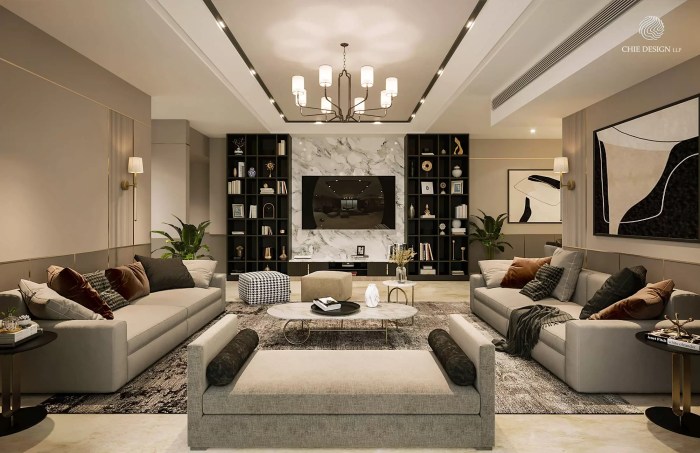
In conclusion, interior design is an art form that blends practicality with aesthetics to create spaces that resonate with individuals. By understanding the various styles, elements, and processes, you can embark on your own journey to redefine and personalize your living spaces.
FAQ Section
What is the role of interior designers?
Interior designers play a crucial role in transforming spaces to meet the needs and preferences of their clients. They bring together elements of design to create functional and aesthetically pleasing environments.
How important is space planning in interior design?
Space planning is essential in interior design as it involves organizing and arranging furniture and decor to optimize functionality and flow within a space. It ensures that every element serves a purpose while maintaining visual appeal.
What are some popular interior design styles?
Popular interior design styles include modern, minimalist, industrial, traditional, and eclectic. Each style has its unique characteristics in terms of color schemes, materials used, and overall aesthetic appeal.
Why is sustainable design important in interior spaces?
Sustainable design focuses on reducing environmental impact by using energy-efficient practices and eco-friendly materials. It not only benefits the environment but also creates healthier and more efficient living spaces for occupants.