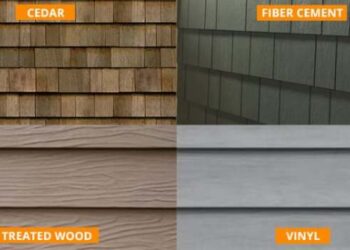
Delve into the world of siding materials with this detailed guide that uncovers the various options available in construction. From wood to vinyl, fiber cement, and metal, each material brings its own set of advantages and drawbacks, shaping the aesthetics and durability of a building.
Learn about the factors influencing material choice, the installation processes involved, and the environmental impact of siding materials, all crucial aspects to consider when embarking on a construction project.
Types of Siding Materials
Wood, vinyl, fiber cement, and metal are among the most commonly used siding materials in construction. Each type has its own unique characteristics and benefits, making them suitable for different preferences and needs.
Wood Siding
Wood siding offers a natural and traditional look to a building. It is versatile and can be easily customized to fit various architectural styles. However, wood siding requires regular maintenance, such as painting or staining, to prevent rotting, warping, or insect infestations.
Vinyl Siding
Vinyl siding is a popular choice due to its affordability and low maintenance requirements. It comes in a variety of colors and styles, making it versatile for different design preferences. However, vinyl siding may crack or fade over time, and it is not as environmentally friendly as other materials.
Fiber Cement Siding
Fiber cement siding is known for its durability and resistance to fire, insects, and rot. It can mimic the look of wood or stucco without the high maintenance requirements. However, fiber cement siding is heavier and may require professional installation.
Metal Siding
Metal siding is extremely durable and can withstand harsh weather conditions. It is also low maintenance and can be recycled, making it a more eco-friendly option. However, metal siding may dent or scratch easily, and it may not suit all architectural styles.
Factors to Consider When Choosing Siding Materials
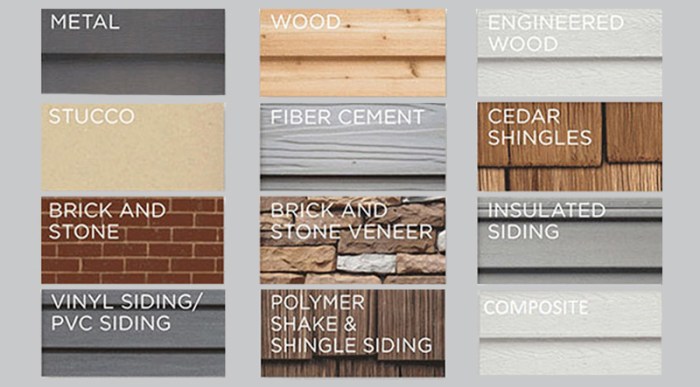
When selecting siding materials for a building, there are several key factors to consider to ensure the best choice for your specific needs. Factors such as climate, location, and maintenance requirements play a crucial role in determining the most suitable siding material for your project.
Impact of Climate and Location
The climate and location of a building have a significant impact on the choice of siding materials. In areas with high humidity or frequent rain, moisture-resistant materials like vinyl or fiber cement siding are recommended to prevent water damage and mold growth.
On the other hand, in regions with extreme temperature variations, such as hot summers and cold winters, materials like wood or engineered wood may be more suitable due to their insulation properties.
Maintenance Requirements
Different siding materials have varying maintenance requirements that should be taken into account when making a selection. For example, wood siding may require regular staining or painting to maintain its appearance and protect it from the elements, while vinyl siding is known for its low maintenance needs, requiring only occasional cleaning with soap and water.
Additionally, some materials may be more prone to damage from pests or UV exposure, necessitating more frequent inspections and repairs.
Installation Process for Different Siding Materials
When it comes to installing siding materials, each type requires specific steps to ensure a proper and durable installation. Proper preparation of the surface before installation is crucial to the longevity and performance of the siding. Let’s explore the general steps involved in installing wood, vinyl, fiber cement, and metal siding, along with tips for preparing the surface and potential challenges during the installation process.
Wood Siding
Wood siding installation involves the following general steps:
- Cut and fit the siding boards to the appropriate size and shape.
- Apply a moisture barrier or house wrap to the exterior wall.
- Install furring strips to provide a level surface for the siding.
- Attach the siding boards using nails or screws, ensuring proper spacing for expansion and contraction.
Properly preparing the surface for wood siding installation involves repairing any damaged areas, removing old siding, and ensuring a smooth and flat surface. Challenges during installation may include wood rot, insect infestation, and the need for regular maintenance to prevent weathering.
Vinyl Siding
The installation process for vinyl siding includes:
- Measure and cut the siding panels to fit the wall dimensions.
- Install the starter strip and corner posts for proper alignment.
- Hang the siding panels starting from the bottom and working your way up.
- Secure the panels with nails or clips, allowing for expansion and contraction.
Preparing the surface for vinyl siding involves cleaning and repairing any damage, ensuring a smooth and even surface. Challenges during installation may include poor insulation and the potential for moisture buildup behind the siding.
Fiber Cement Siding
Installing fiber cement siding typically involves:
- Measure and cut the siding panels to fit the wall.
- Install trim pieces around windows, doors, and corners.
- Attach the siding panels using nails or screws, following manufacturer guidelines.
- Seal the seams and edges to prevent moisture infiltration.
Surface preparation for fiber cement siding includes removing old siding, repairing any damage, and ensuring proper ventilation to prevent moisture issues. Challenges during installation may include the weight of the material and the need for specialized cutting tools.
Metal Siding
The installation process for metal siding may include:
- Measure and cut the metal panels to size.
- Install metal flashing around windows, doors, and corners for weatherproofing.
- Attach the metal panels using screws or nails, following the manufacturer’s instructions.
- Seal the seams and joints to prevent water infiltration.
Preparing the surface for metal siding installation involves removing old siding, repairing any damage, and ensuring proper ventilation. Challenges during installation may include rust and corrosion over time if not properly maintained.
Sustainability and Environmental Impact of Siding Materials
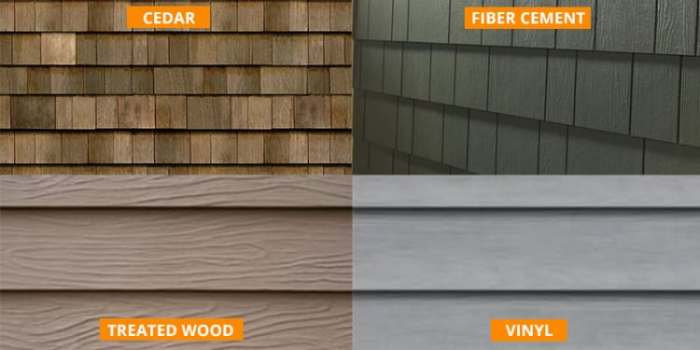
When considering siding materials for a building, it is important to take into account their sustainability and environmental impact. This involves looking at factors such as production processes, lifespan, and disposal methods to determine the overall eco-friendliness of the material.
Environmental Impact of Various Siding Materials
Each siding material has a different environmental impact based on its production, lifespan, and disposal. For example:
- Vinyl siding, although durable, is made from PVC which is a toxic material and difficult to recycle.
- Wood siding, while renewable, requires regular maintenance and can contribute to deforestation if not sourced sustainably.
- Fiber cement siding has a longer lifespan and is less toxic than vinyl, but its production process involves high energy consumption.
Sustainable Siding Options and Benefits
Opting for sustainable siding materials can significantly reduce the environmental impact of a building. Some sustainable options include:
- Recycled metal siding, which is made from recycled materials and can be recycled again at the end of its lifespan.
- Cedar siding sourced from sustainably managed forests, promoting responsible forestry practices.
- Composite siding made from a mix of recycled wood fibers and plastic, reducing the need for virgin materials.
Contribution to Energy Efficiency
The choice of siding materials can also impact the energy efficiency of a building. Insulated siding, for example, can improve thermal performance and reduce energy consumption for heating and cooling. By choosing energy-efficient siding materials, building owners can lower their carbon footprint and decrease energy costs over time.
Final Conclusion
As we conclude this exploration of siding materials, it becomes evident that the choice of material plays a significant role in the overall look, maintenance, and eco-friendliness of a structure. By understanding the nuances of each type of siding material, one can make informed decisions that align with both practical and sustainable considerations.
Expert Answers
What are the key factors to consider when choosing siding materials?
Factors such as durability, maintenance requirements, climate suitability, and aesthetic appeal should all be taken into account when selecting siding materials.
How does the installation process differ for wood, vinyl, fiber cement, and metal siding?
While the general steps involve surface preparation and proper fastening, each material has its unique challenges and considerations during installation.
What is the environmental impact of siding materials?
Siding materials vary in their production processes, lifespan, and disposal methods, impacting the overall sustainability of a building. Opting for eco-friendly options can contribute to energy efficiency.