Exploring the world of siding maintenance unveils a realm where the care of your home’s exterior can make a monumental difference. From preventing costly repairs to enhancing curb appeal, the journey of siding maintenance is both practical and rewarding.
Delve into the specifics of different siding materials, routine tasks, seasonal tips, and preventative techniques to arm yourself with the knowledge needed to keep your home in prime condition.
Importance of Siding Maintenance
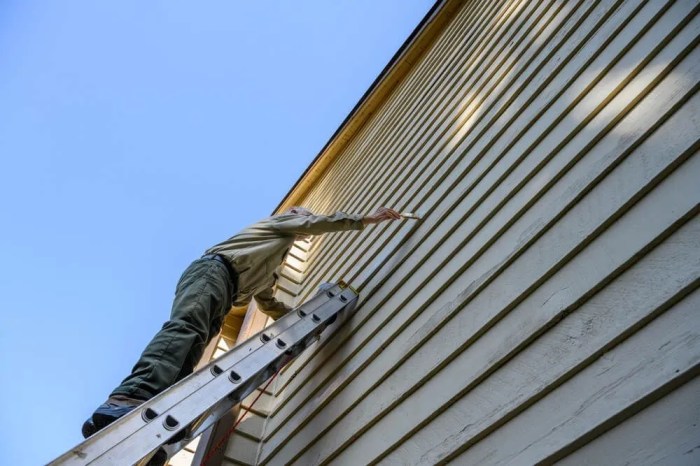
Regular siding maintenance is crucial for the longevity and overall well-being of your home. Neglecting proper maintenance can lead to a host of issues that not only affect the aesthetic appeal of your property but also result in costly repairs down the line.
Common Issues from Lack of Siding Maintenance
- Water Damage: Failure to maintain your siding can allow water to seep into your home, causing rot, mold, and mildew to develop.
- Pest Infestations: Holes or cracks in siding can provide easy access for pests like termites or ants to invade your home.
- Decreased Energy Efficiency: Damaged siding can lead to air leaks, resulting in higher energy bills as your heating and cooling systems work harder to maintain a comfortable temperature.
- Curb Appeal Decline: Faded, warped, or cracked siding can significantly diminish the curb appeal of your home, affecting its value and overall attractiveness.
Types of Siding Materials
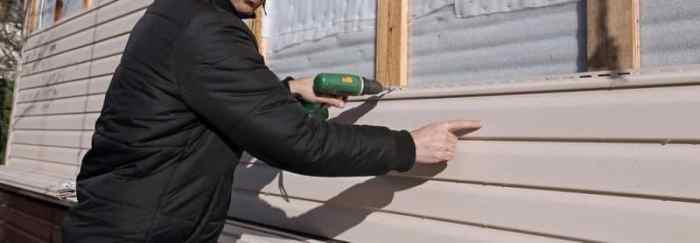
When it comes to siding materials for homes, there are several options available, each with its own maintenance requirements and advantages. Let’s take a closer look at some common types of siding materials and how they compare in terms of maintenance.
Vinyl Siding
Vinyl siding is a popular choice for many homeowners due to its affordability and low maintenance requirements. It is resistant to rot, moisture, and insects, making it a durable option for various climates. Maintenance for vinyl siding typically involves periodic cleaning with a mild detergent and water to remove dirt and grime.
While vinyl siding does not require painting, it may fade over time and need replacement to maintain its appearance.
Fiber Cement Siding
Fiber cement siding is known for its durability and resistance to fire, moisture, and pests. It is a low-maintenance option that can last for many years with minimal upkeep. Maintenance for fiber cement siding usually involves regular cleaning to remove dirt and debris.
Additionally, painting or resealing may be necessary every few years to maintain its color and protect against the elements.
Wood Siding
Wood siding offers a natural and classic look to homes but requires more maintenance compared to other siding materials. Regular painting or staining is needed to protect the wood from rot, moisture, and pests. It is essential to inspect wood siding regularly for signs of damage and address any issues promptly to prevent further deterioration.
While wood siding requires more maintenance, it can be a beautiful and timeless choice for homeowners who are willing to put in the extra effort.
Aluminum Siding
Aluminum siding is a durable and low-maintenance option that is resistant to rust and corrosion. It can be easily cleaned with soap and water to remove dirt and maintain its appearance. However, aluminum siding is prone to dents and scratches, which may require repairs or replacement to keep the siding looking its best.
Regular inspections can help identify any damage early on and prevent more significant issues down the line.
Routine Maintenance Tasks
Regular maintenance is essential to keep your siding in top condition and preserve the overall appearance of your home. By following a routine maintenance schedule, you can prevent damage and prolong the lifespan of your siding.
Cleaning and Inspecting Siding
- Cleaning: It is recommended to clean your siding at least once a year to remove dirt, debris, and mildew. Use a gentle cleanser, a soft brush, and water to avoid damaging the siding material.
- Inspecting for Damage: Inspect your siding every six months for signs of wear and damage, such as cracks, warping, or discoloration. Address any issues promptly to prevent further damage.
- Gutter Maintenance: Ensure that gutters are clear of debris and properly channeling water away from the siding to prevent water damage.
Seasonal Maintenance Tips

When it comes to maintaining your siding throughout the year, different seasons bring unique challenges and requirements. By following specific maintenance tips for each season, you can ensure that your siding remains in top condition and is prepared to withstand any weather conditions that may come its way.
Spring Maintenance Tips
- Inspect your siding for any damage caused by winter weather, such as cracks or loose panels, and repair as needed.
- Clean your siding using a mild detergent and water to remove dirt, mold, and mildew that may have accumulated over the winter.
- Trim any trees or bushes near your siding to prevent damage from branches rubbing against it in the wind.
Summer Maintenance Tips
- Check for signs of sun damage, such as fading or warping, and consider applying a UV protectant to prevent further deterioration.
- Inspect your siding for any signs of insect infestation, such as holes or nests, and take appropriate measures to eliminate the pests.
- Clean your siding with a pressure washer on a low setting to remove built-up grime and keep it looking fresh.
Fall Maintenance Tips
- Clear any leaves, debris, or other obstructions from your gutters and downspouts to prevent water damage to your siding.
- Inspect your siding for any gaps or cracks that could allow moisture to seep in and cause damage during the winter months.
- Consider applying a fresh coat of paint or sealant to protect your siding from the upcoming harsh weather conditions.
Winter Maintenance Tips
- Remove snow and ice buildup from your siding using a gentle method, such as a broom or soft brush, to avoid causing damage.
- Check for any signs of water damage or mold growth on your siding and address these issues promptly to prevent further deterioration.
- Ensure that your siding is properly insulated to help maintain a consistent temperature inside your home and protect it from the cold.
Repairing Siding Damage
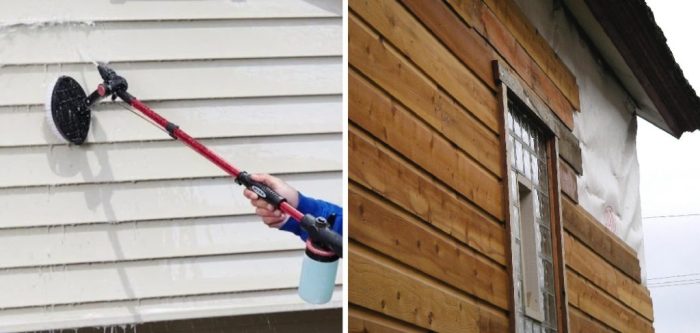
Repairing siding damage is crucial to maintain the integrity and aesthetics of your home. Common types of siding damage can include cracks, holes, warping, or discoloration, which can be caused by weather exposure, moisture infiltration, impact from objects, or improper installation.
Steps for Repairing Minor Siding Damage
- Assess the damage: Inspect the siding to determine the extent of the damage and identify the cause.
- Clean the area: Remove any dirt, debris, or mold from the damaged area to prepare it for repair.
- Fill cracks or holes: Use a suitable filler or caulk to fill in cracks or holes in the siding.
- Smooth and sand: Once the filler has dried, smooth out the surface and sand it down for a seamless finish.
- Paint or seal: Apply a matching paint or sealant to the repaired area to blend it with the rest of the siding.
Seeking Professional Help for Siding Repairs
- Extensive damage: If the siding damage is extensive or beyond your DIY repair skills, it’s best to hire a professional contractor.
- Structural issues: If the siding damage is linked to underlying structural problems, a professional can assess and address the root cause.
- Warranty concerns: Professional repairs may be necessary to maintain the warranty on your siding material.
Preventative Maintenance Techniques
Regular maintenance is essential to ensure the longevity and durability of your siding. By taking proactive measures, conducting regular inspections, and protecting your siding from environmental factors, you can prevent costly damage and maintain the aesthetic appeal of your home.
Regular Inspections
Regular inspections are crucial in identifying any issues with your siding early on. By inspecting your siding at least once a year, you can catch any signs of damage such as cracks, warping, or mold growth. Addressing these issues promptly can prevent them from worsening and causing more extensive damage.
Protecting from Environmental Factors
Environmental factors such as moisture, sunlight, and extreme temperatures can take a toll on your siding. To protect your siding, make sure to keep gutters clean to prevent water buildup, trim trees and bushes away from the siding to avoid damage, and consider applying a protective sealant to shield it from UV rays.
Proactive Measures
In addition to regular inspections and protecting from environmental factors, there are proactive measures you can take to prevent siding damage. Consider installing splash guards to prevent water from pooling near the foundation, caulking gaps and cracks to prevent water infiltration, and ensuring proper ventilation to prevent moisture buildup.
End of Discussion
As we conclude this exploration of siding maintenance, remember that a little effort today can save you from major headaches tomorrow. By staying proactive and prioritizing the care of your siding, you’re investing in the long-term health and beauty of your beloved abode.
FAQ Explained
How often should I clean my siding?
Cleaning your siding at least once a year is recommended to prevent dirt buildup and maintain its appearance.
What are some signs that my siding needs repair?
Look out for cracks, warping, or discoloration on your siding, as these can indicate underlying issues that need attention.
Can I paint my siding to refresh its look?
Yes, painting your siding can be a cost-effective way to give it a new lease on life, but make sure to use paint suited for exterior surfaces.
How can I protect my siding from harsh weather conditions?
Applying a weather-resistant sealant and performing regular inspections can help safeguard your siding against the elements.