Minimalist decor embodies a philosophy that less is more, creating a space that exudes elegance through simplicity. As we delve into the world of minimalist design, we uncover the key elements and principles that make this style so captivating. From neutral color schemes to functional furniture, minimalist decor offers a refreshing approach to interior design that focuses on decluttering and embracing clean lines.
Join us on this journey as we explore the art of minimalism and its transformative power in creating harmonious living spaces.
Definition of Minimalist Decor
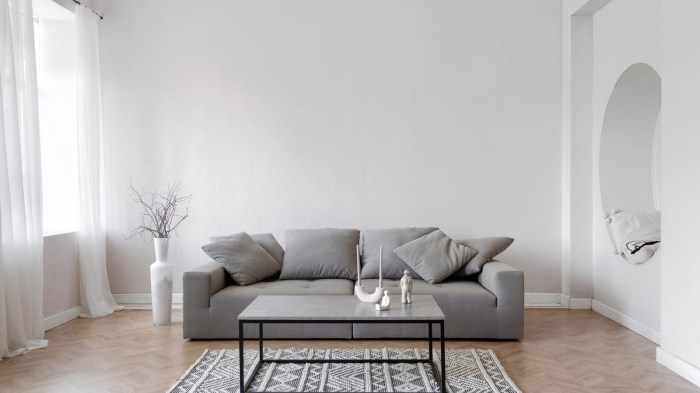
Minimalist decor is a design style that emphasizes simplicity, functionality, and clean lines. The key characteristics of minimalist decor include a focus on open spaces, neutral color palettes, and the use of only essential furniture and decor items. The concept of ‘less is more’ is at the core of minimalist decor, encouraging a decluttered and organized living space that promotes a sense of calm and tranquility.
By eliminating unnecessary items and decorations, minimalist decor creates a serene environment that allows for better focus and relaxation.
Focus on Simplicity and Clean Lines
Minimalist decor is all about simplicity and clean lines. Furniture and decor pieces are often sleek and uncomplicated, with a minimalist color palette of white, black, grey, and earth tones. The emphasis is on functionality and practicality, with a preference for multi-purpose items that serve a specific purpose without added embellishments.
Elements of Minimalist Decor
Minimalist decor is characterized by simplicity, clean lines, and a focus on functionality. Key elements of minimalist decor include:
Neutral Colors
Neutral colors such as white, beige, grey, and black are commonly used in minimalist decor. These colors create a sense of calm and serenity, allowing other elements in the space to stand out.
Simple Furniture
Minimalist decor often features furniture with clean lines and a simple design. Bulky or ornate furniture is avoided, in favor of pieces that are sleek and understated.
Functional Pieces
Every item in a minimalist space serves a purpose. Functional pieces are prioritized over decorative items, ensuring that the space remains clutter-free and organized.
Natural Light and Open Spaces
Natural light is essential in minimalist decor, as it helps to create a sense of openness and airiness. Large windows, unobstructed views, and minimal window treatments are often used to maximize natural light in a space.
Quality over Quantity
Minimalism emphasizes quality over quantity when selecting decor items. Each piece is carefully chosen for its craftsmanship, materials, and functionality, rather than simply filling up space with unnecessary items.
Color Palette in Minimalist Decor
In minimalist decor, the color palette plays a crucial role in creating a clean, serene, and uncluttered environment. The choice of colors is often limited to a few neutral tones to maintain the simplicity and minimalistic aesthetic of the space.
Popular Color Schemes
- White: A staple in minimalist decor, white creates a sense of spaciousness and purity.
- Beige: A warm and calming color that adds a touch of softness to the minimalist space.
- Gray: Versatile and sophisticated, gray can be used to add depth and contrast.
- Earth Tones: Including shades of brown, green, and terracotta, earth tones bring a natural element to minimalist interiors.
Monochromatic or Limited Color Palette
Opting for a monochromatic color scheme or limiting the color palette to just a few shades helps maintain the minimalist aesthetic by reducing visual clutter and creating a sense of harmony in the space. This approach allows the focus to be on clean lines, simple forms, and the interplay of light and shadow.
Use of Color Accents
While minimalist decor typically relies on neutral tones, color accents can be strategically incorporated to add visual interest and personality to the space. These accents are used sparingly to draw attention to specific areas or objects, creating focal points without overwhelming the overall simplicity of the design.
Furniture and Layout in Minimalist Decor
Minimalist furniture is characterized by clean lines, simple designs, and multifunctional pieces that prioritize function over ornamentation. These pieces often have a sleek and understated appearance, contributing to the overall minimalist aesthetic of a space.When creating a minimalist decor, it’s essential to declutter and organize furniture effectively.
Start by assessing each piece of furniture in the room and only keep the essentials that serve a purpose. Avoid overcrowding the space with unnecessary items to maintain a clean and minimalist look.Negative space plays a crucial role in minimalist decor, allowing the furniture and design elements to stand out.
Keep furniture arrangement minimal and focus on creating an open and airy atmosphere. Opt for furniture with slim profiles and elevated legs to enhance the sense of space in the room.
Importance of Negative Space
In minimalist decor, negative space refers to the empty areas between furniture and design elements. This space helps create balance and visual harmony in the room, allowing each piece to shine. Embracing negative space in furniture layout can make the room feel more spacious and peaceful.
- Choose furniture with clean lines and simple shapes to maintain a minimalist look.
- Opt for multifunctional pieces that serve a dual purpose to maximize space efficiency.
- Arrange furniture in a way that promotes flow and openness, avoiding cluttered arrangements.
- Consider the scale of furniture in relation to the room size to ensure a balanced and cohesive layout.
Decorative Accessories in Minimalist Decor
In minimalist decor, the role of decorative accessories like artwork, plants, and textiles is crucial in adding personality and warmth to a space while maintaining the clean and simple aesthetic. These accessories serve as focal points and provide visual interest without overwhelming the overall design.
Incorporating Meaningful Decor Items
When incorporating decorative accessories in a minimalist room, it is essential to choose items that hold personal significance or have a specific purpose. This ensures that each piece adds value to the space and contributes to the overall ambiance. Consider selecting items that align with your values, interests, or memories to create a more meaningful and intentional decor scheme.
- Choose artwork that resonates with you or reflects your personal style. Opt for pieces that evoke emotions or memories, rather than selecting art solely for decorative purposes.
- Integrate plants into the space to bring in a touch of nature and freshness. Select plants that are easy to care for and complement the minimalist aesthetic, such as succulents or air plants.
- Incorporate textiles like throw blankets, rugs, or cushions in neutral tones or simple patterns to add texture and warmth to the room. Focus on quality materials and craftsmanship to enhance the overall look and feel of the space.
Less But Better Concept
The concept of ‘less but better’ is central to minimalist decor when selecting decorative accessories. This principle, coined by designer Dieter Rams, emphasizes the importance of quality over quantity and encourages thoughtful curation of items to avoid clutter and excess.
“Less, but better – because it concentrates on the essential aspects, and the products are not burdened with non-essentials. Back to purity, back to simplicity.”
Dieter Rams
- Focus on choosing a few key decorative accessories that have a significant impact on the space rather than overcrowding the room with numerous items. Each piece should be carefully selected to enhance the overall design and functionality of the room.
- Emphasize craftsmanship, materials, and design when selecting decorative accessories to ensure longevity and timeless appeal. Invest in well-made pieces that will stand the test of time and continue to bring joy and beauty to the space.
- Avoid impulse purchases and instead take the time to curate a collection of meaningful and intentional decor items that contribute to the overall coherence and harmony of the minimalist room.
Outcome Summary
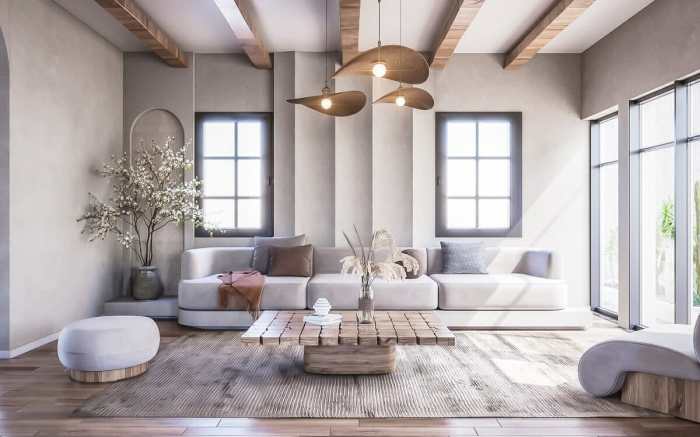
In conclusion, minimalist decor is not just a design choice but a lifestyle that promotes mindfulness and intentionality in every aspect of your living space. By incorporating the principles of minimalism, you can create a sanctuary that nurtures peace and tranquility amidst the chaos of daily life.
Embrace the essence of minimalist decor and discover the beauty of simplicity in your home today.
Essential FAQs
Is minimalist decor suitable for small spaces?
Yes, minimalist decor is perfect for small spaces as it focuses on decluttering and maximizing the use of space efficiently.
How can I add warmth to a minimalist space?
You can add warmth to a minimalist space by incorporating textures like wool, wood, or natural fibers, and using warm accent colors sparingly.
Can I mix different design styles with minimalist decor?
While minimalist decor has a distinct style, you can still mix in elements from other styles as long as they complement the overall aesthetic and maintain simplicity.